What the heck is an artist’s book?
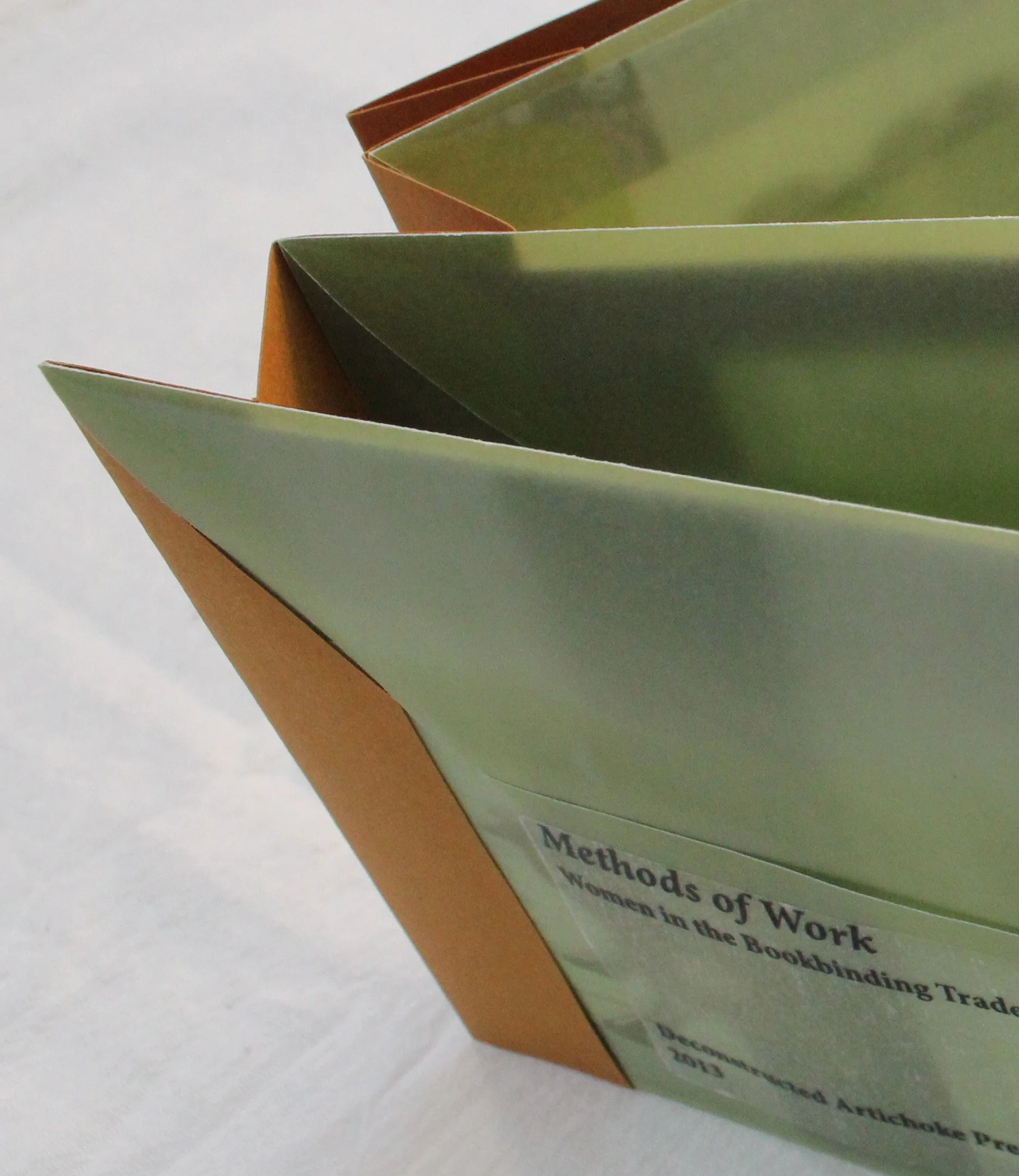
An artist’s book isn’t a container for art—it is the art.
Considering the binding, the text, and the illustrations as part of an artist’s book is essential. But it’s a lot more than that. The cover and interior also consider texture through paper or metal or fabric, as well as the experience of “reading” the book’s movement through time. An artist’s book is both handmade and sculptural, as well as being a narrative experiment.
Attention to detail is also essential to the artist’s book. The sewing and the binding of the book are all intentional to the overall meaning of the book and the message the artist is conveying.
“Artists’ books exist at the intersections of printmaking, photography, poetry, experimental narrative, visual arts, graphic design, and publishing. They have made a place for themselves in the collections of museums, libraries, and private collectors. They have caught the interest of art historians and critics writing about art, and there are numerous studio programs in art schools dedicated to the art of the book, ushering in new generations of artists making books.”
“An artist’s book is a work of art in book form. Objects in this medium can be entirely handmade or mass-produced and vary in the degree of focus on content, form, and materials. Many artists encourage readers to rethink the nature of the book and reading in new and unexpected ways. Contemporary artists’ books range from fine craft letterpress works to one-of-a-kind or limited-edition art objects presented in a wide variety of materials and book formats. Artists incorporate typography, papermaking, paper engineering, bookmaking, design, fine art, graphics, creative writing, and digital media into their book works.”
Deconstructed Artichoke Press, whose books combine poetry with artistic bookbinding, publishes artist’s books created by Nikki Thompson and selected other poets.
Chapbook poets: Many of whom Nikki went to grad school with or were her professors!
Edwin Maguire: The zine, Chicken McNugget Poems, was written by my husband
Judith Serin: Nikki’s good friend, supporter, and mentor—poet Judith Serin—wrote prose poems for a number of my artist’s books
Nikki Thompson: Most of the artist’s books on this site were written and illustrated (photographed, pressure printed, printmade, and more) by yours truly.
Who are the authors?
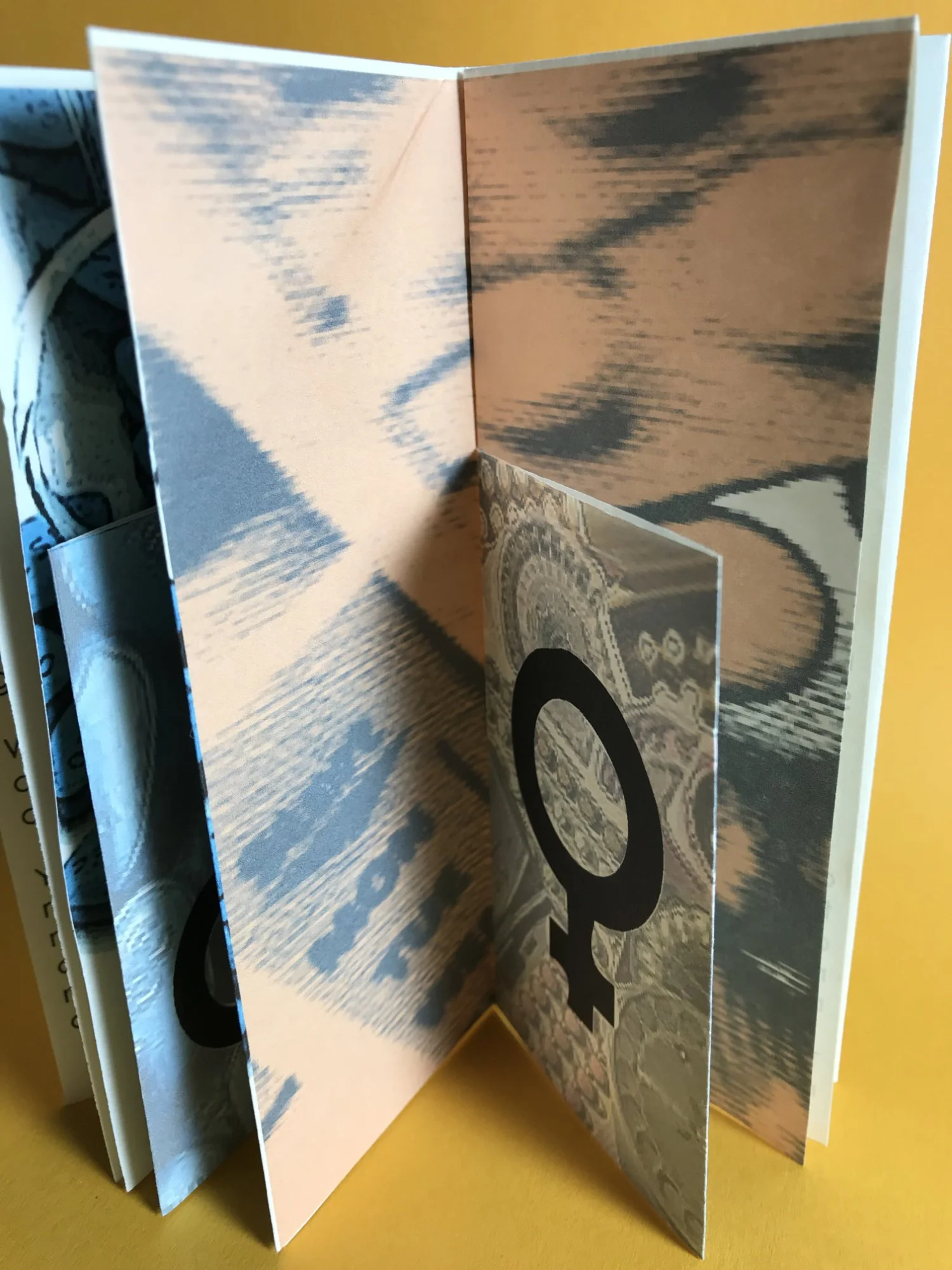
“A zine, short for fanzine or magazine, is a DIY* subculture self-publication, usually made on paper and reproduced with a photocopier or printer. Zine creators are often motivated by a desire to share knowledge or experience with people in marginalized or otherwise less-empowered communities.”
—Barnard College, Zine Collection
What is a zine?
“Zines are print works that are usually made in small batches, self-published/self-distributed (rather than put out by a traditional commercial publisher), and reproduced using accessible technologies like photocopiers or word processors. They often exemplify a homemade or DIY aesthetic, which allows space for formal and topical innovation. Zines provide a low-cost publishing option with fewer barriers to entry than traditional publishing. As such, zines are a favored method of expression for young people, creators who hold one or more marginalized identities, members of radical subcultures, and others who are often excluded by publishing gatekeepers.”
—Radcliffe, Schlesinger Library Zine Collection
Studio Process
Binding
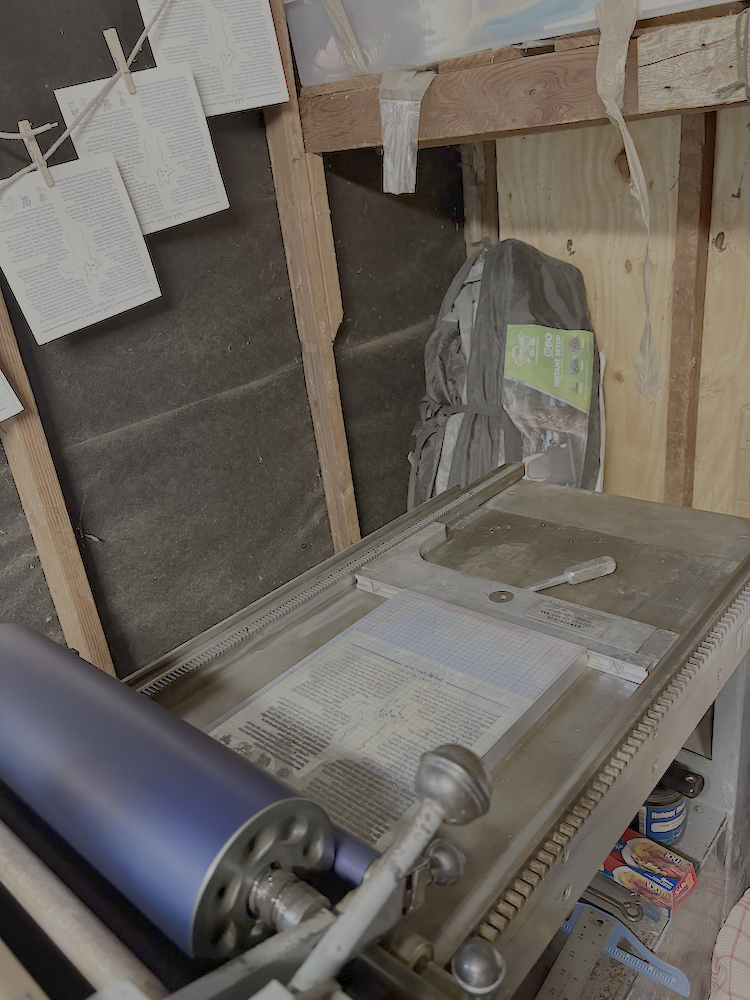
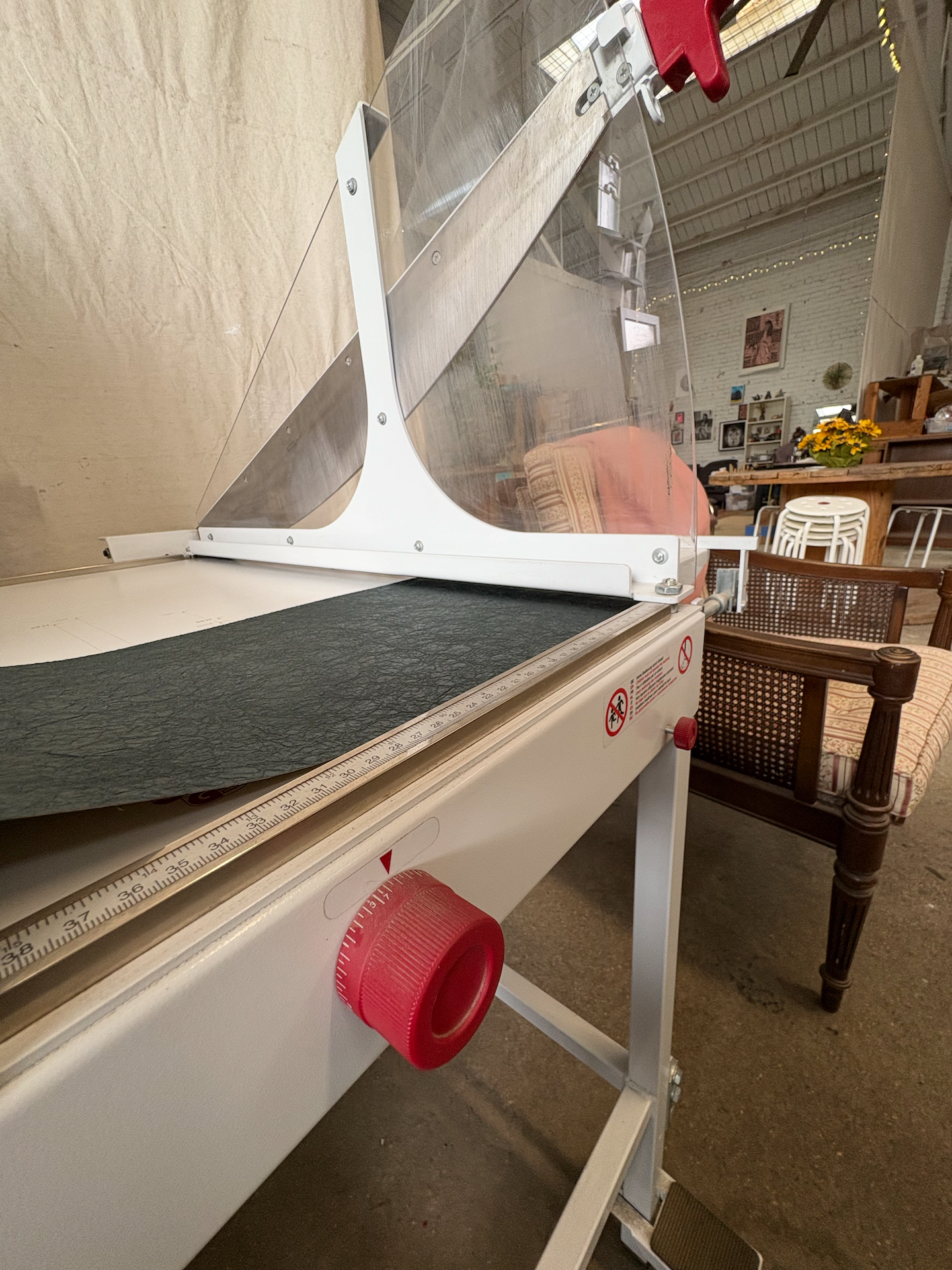
I love bookbinding. It’s my favorite part of the process. I learned to do bookbinding at San Francisco Center for the Book from Dominic Riley and others. I continued to learn from books and lots and lots of practice and going to the Special Collections of local colleges.
Printmaking
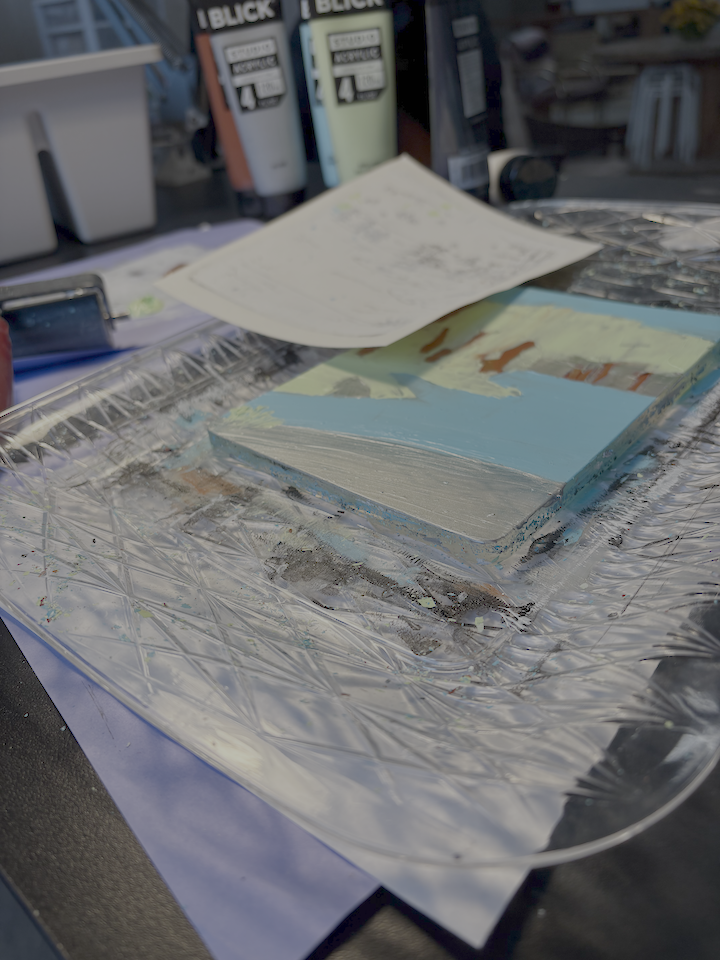
I like doing unconventional forms of printmaking, like Gelli plate printing and kitchen table lithography. Plus it’s more environmentally friendly than traditional printmaking and it’s good for printmaking in small spaces.
Zinemaking
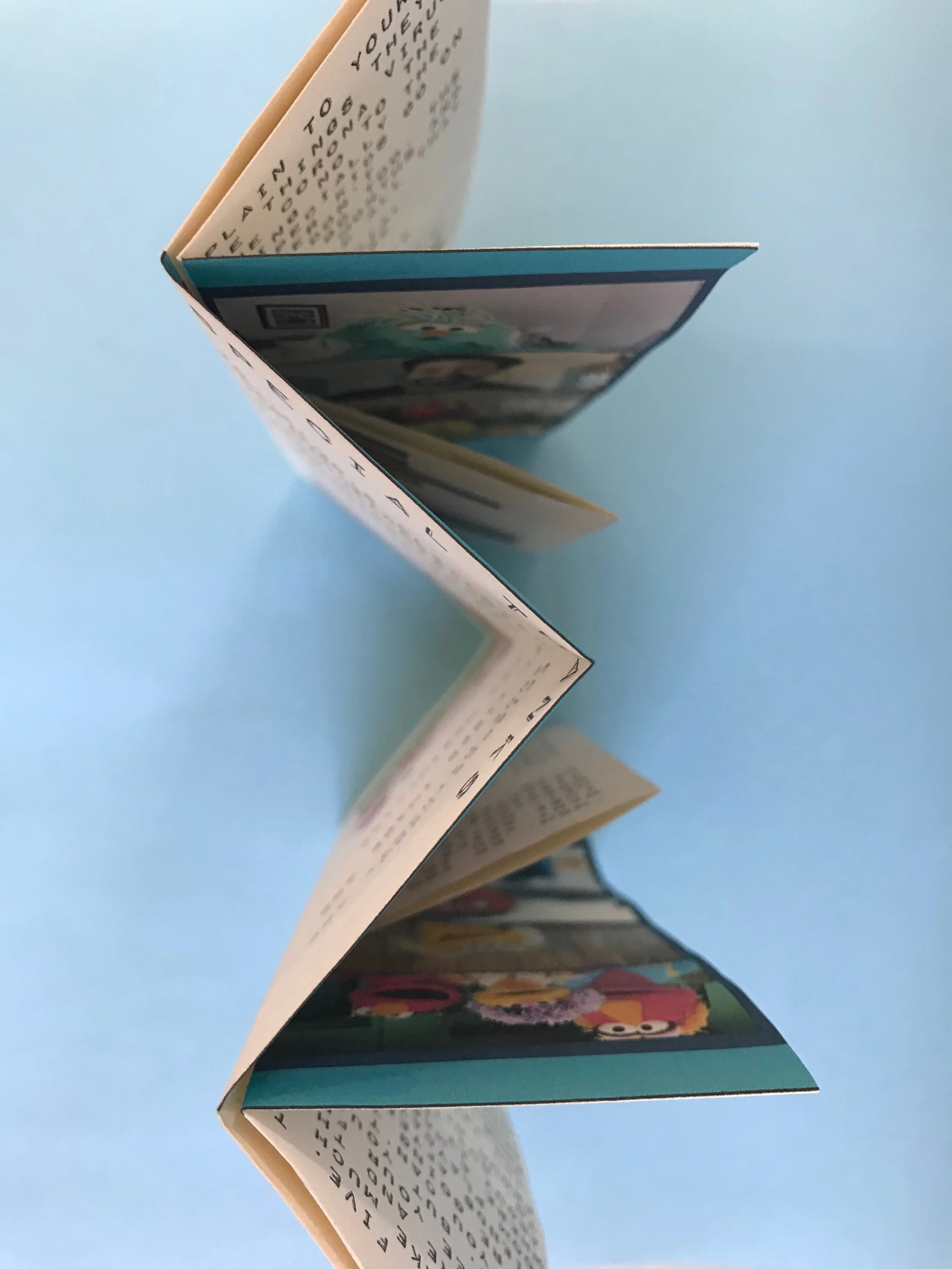
I love making books from a single sheet of paper. I started out with the basic folds and cuts—the cut center, the pants, or the hidden accordion. Then I discovered Hedi Kyle’s book, The Art of the Fold. It opened up all sorts of possibilities for one sheet books.
Writing
I got my MFA in creative writing from California College of Arts and Crafts. I started out as a fiction writer and graduated a prose poet. I loved the flexibility of the program.